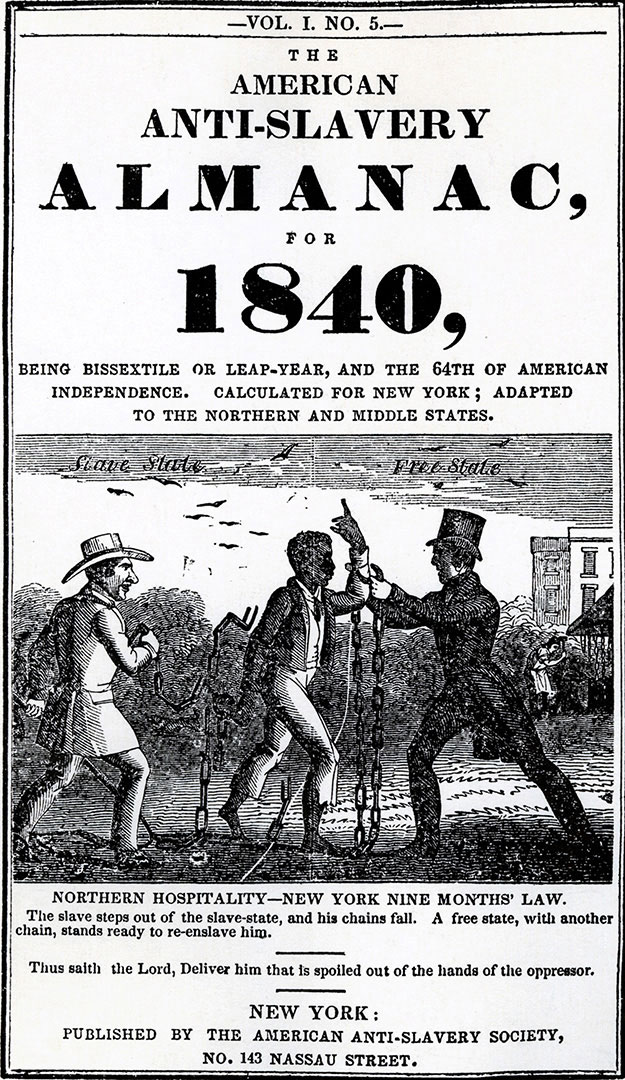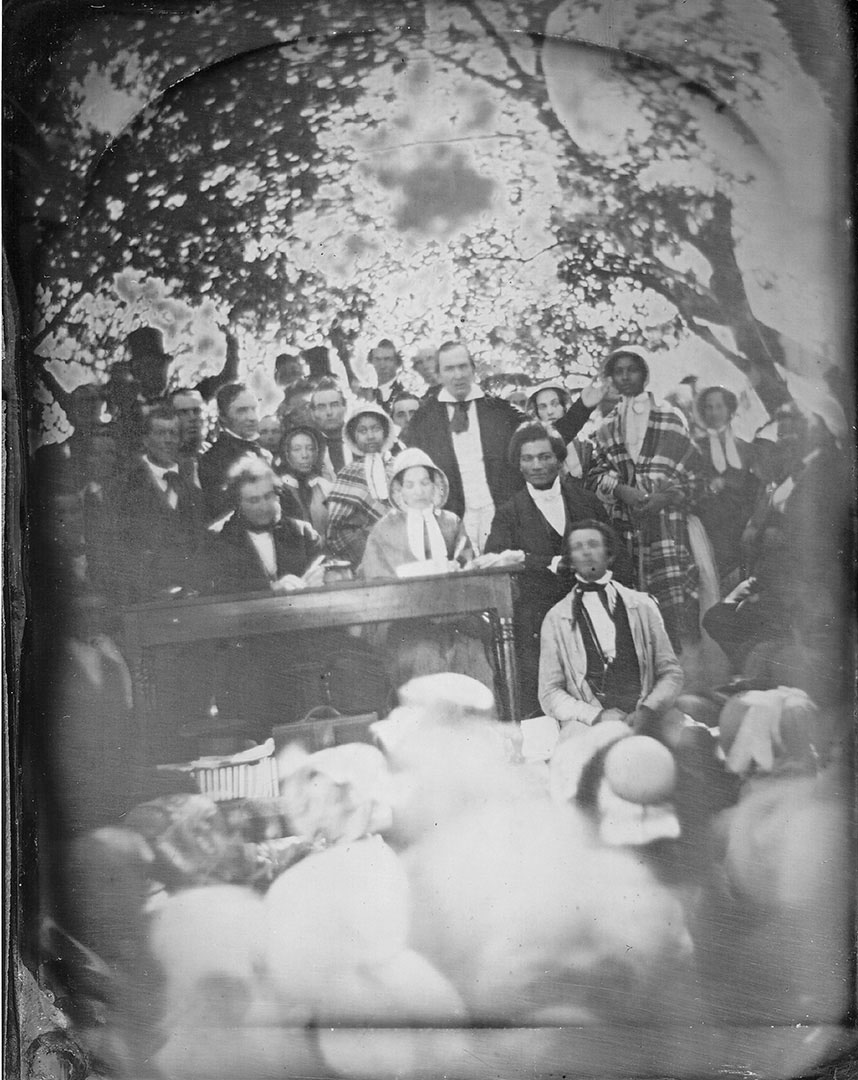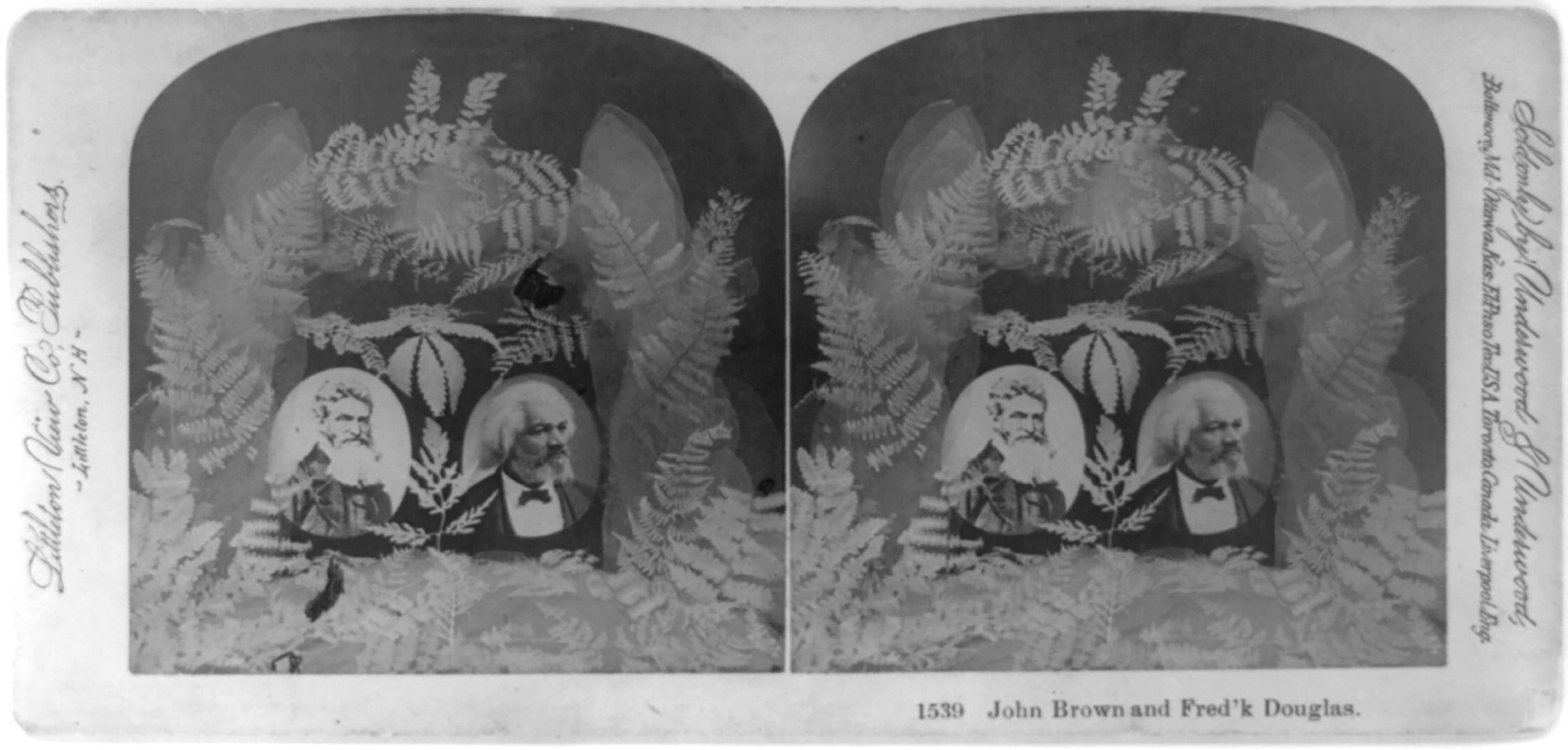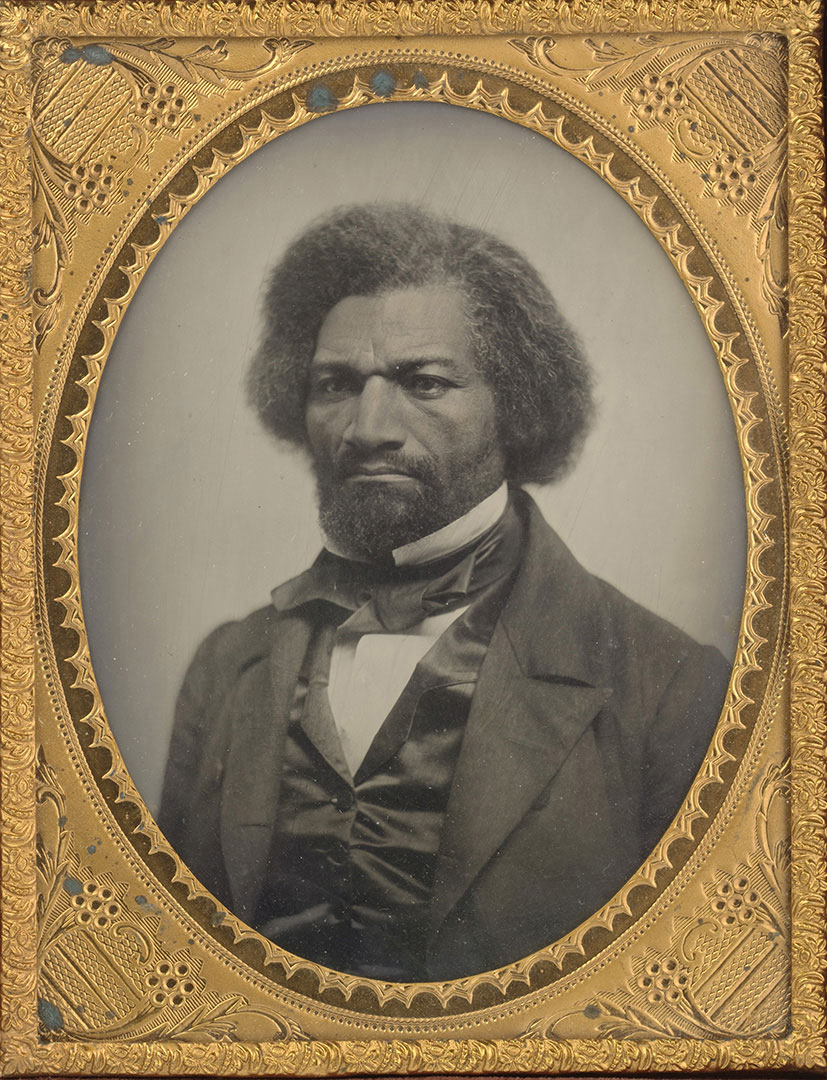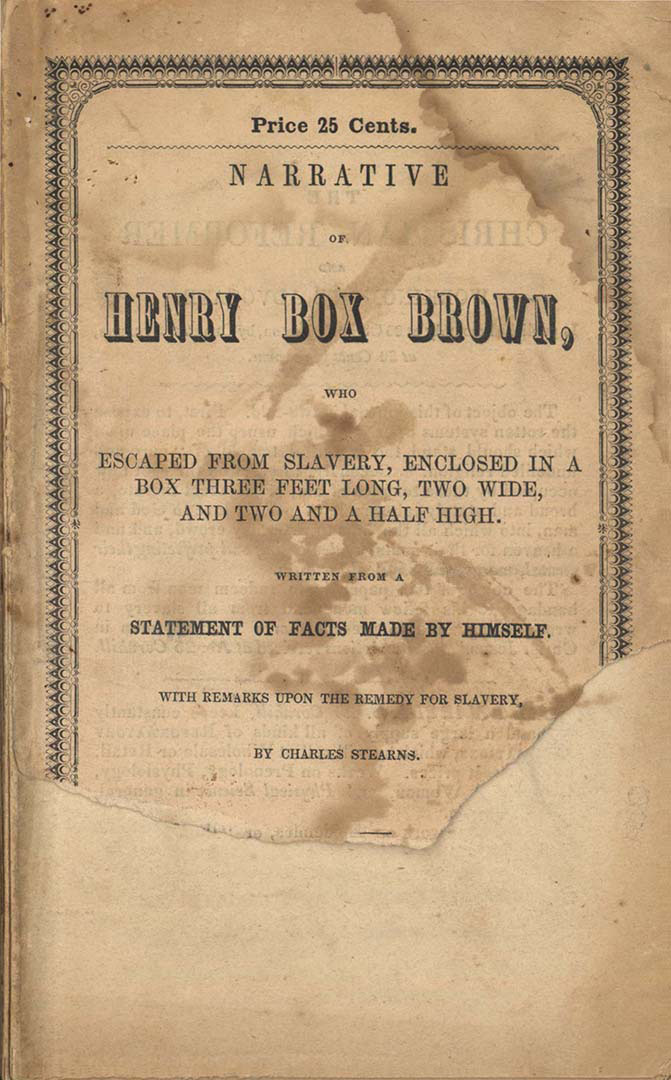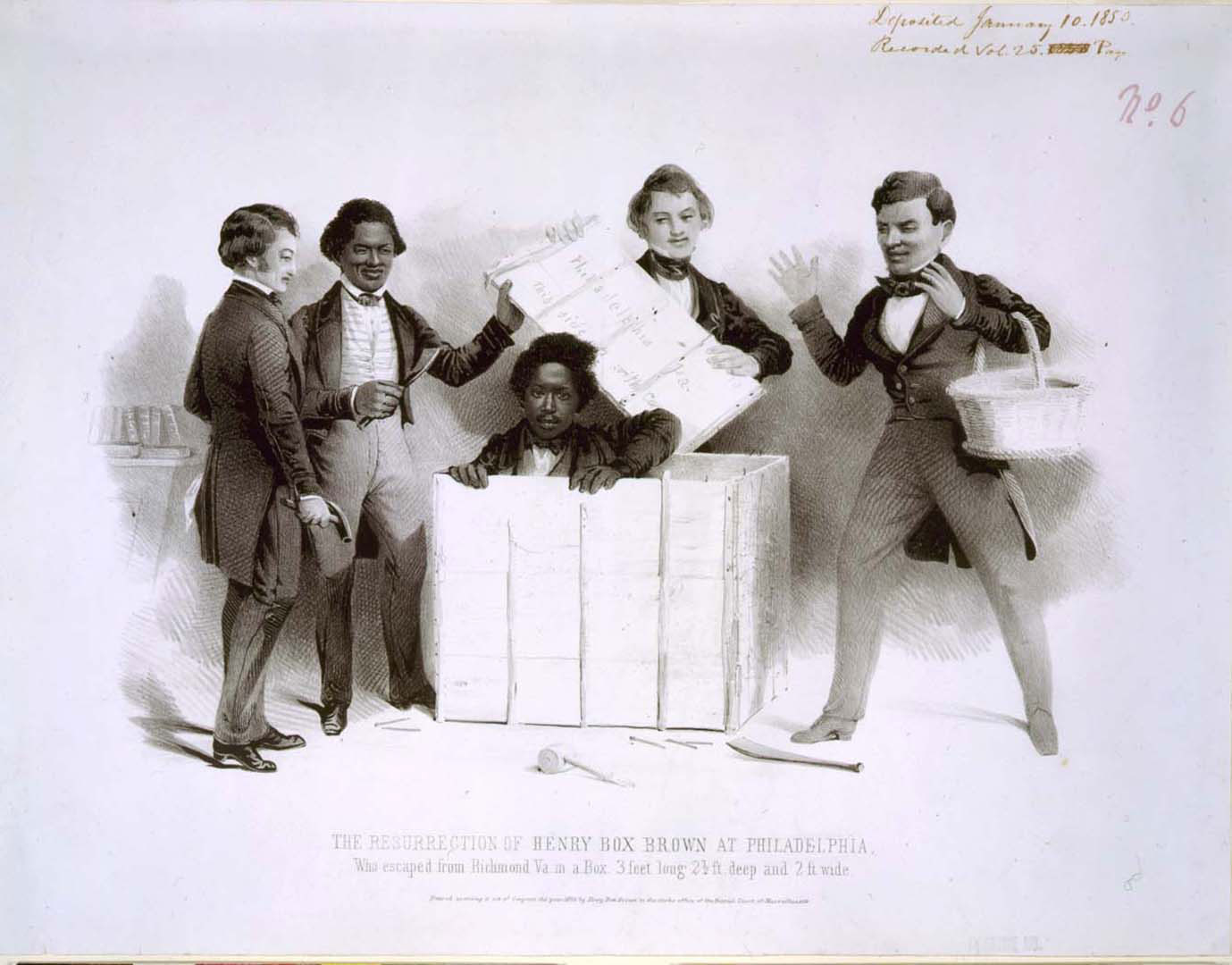
 Between 1801 and 1860, often referred to as the era of the “Slave Republic,” the United States saw a dramatic expansion of slavery, yet this period was also marked by powerful acts of Black resistance and agency. African Americans, both enslaved and free, actively resisted the brutal institution of slavery through rebellion, escape, and cultural preservation. While violent uprisings were rare due to harsh consequences, they revealed the determination of enslaved people to fight for their freedom and challenge a system that dehumanized them. The Underground Railroad emerged as a significant network, with African Americans playing central roles in guiding and sheltering those seeking freedom. In addition to physical resistance, enslaved people maintained their agency through everyday acts of defiance, such as work slowdowns, sabotage, and the preservation of African traditions, language, and spirituality. Free Black communities in the North also advocated for abolition, using their voices to challenge the moral and political foundations of slavery. Black writers, orators, and activists of this period helped shape national conversations about liberty, equality, and human rights, exposing the contradictions of a nation built on ideals of freedom while upholding bondage. Through their resilience and resourcefulness, African Americans not only resisted slavery but also asserted their humanity and laid the groundwork for future movements. This era demonstrates that, even in a society designed to oppress them, Black people continually found ways to fight for justice, preserve their culture, and assert their agency. The period leading up to the Civil War underscores the critical role of Black resistance in shaping the ongoing struggle for freedom and equality.
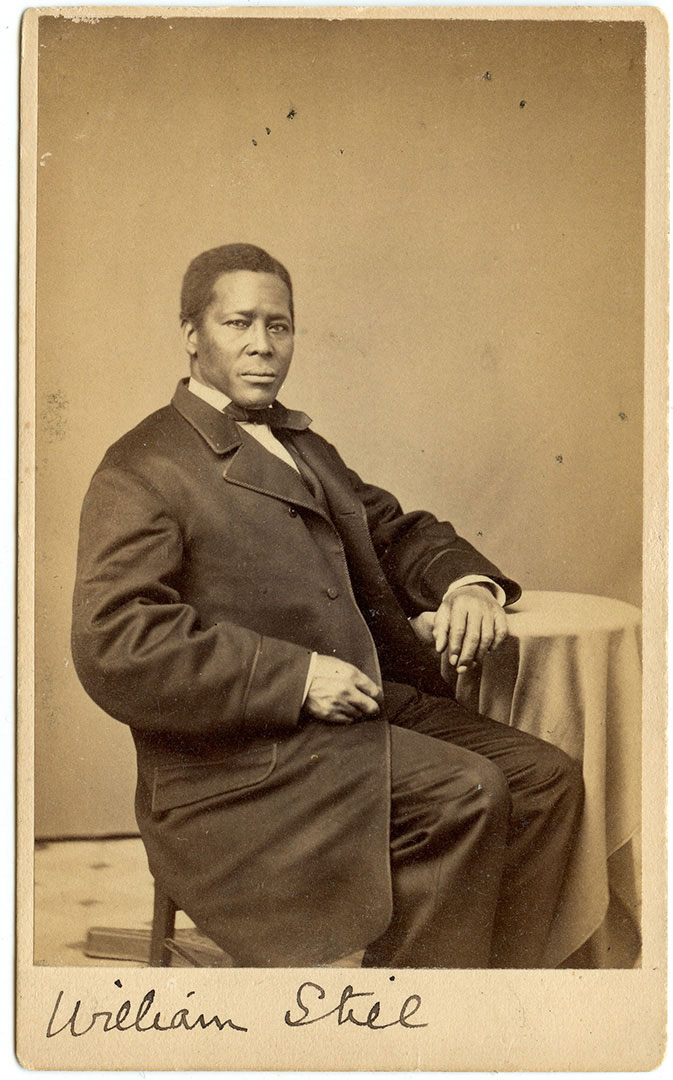
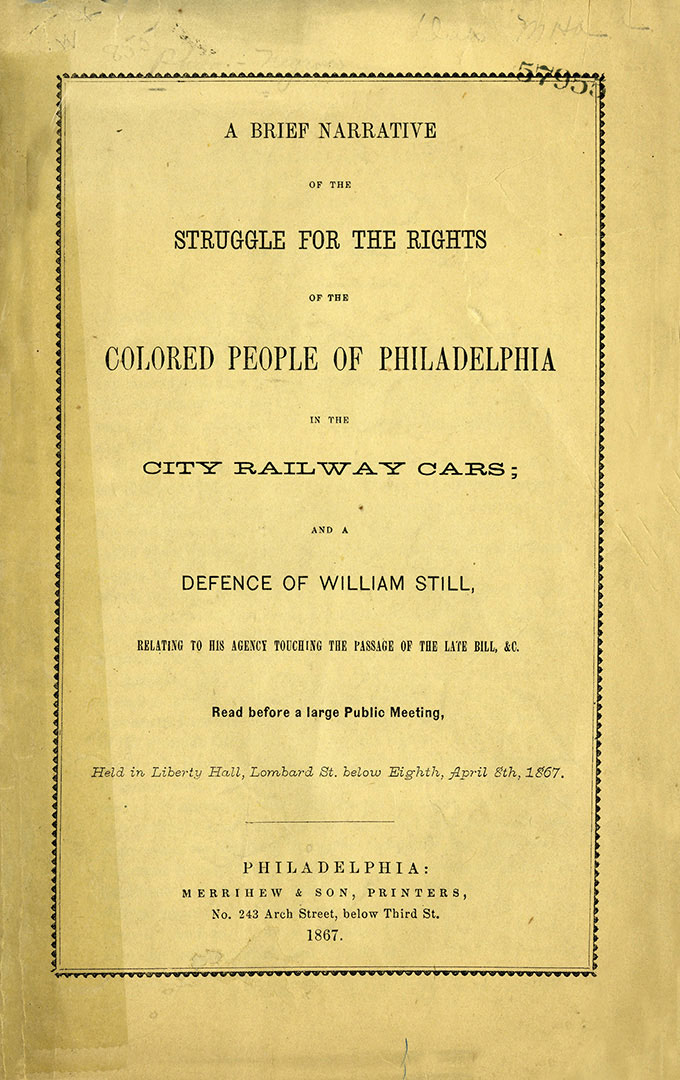
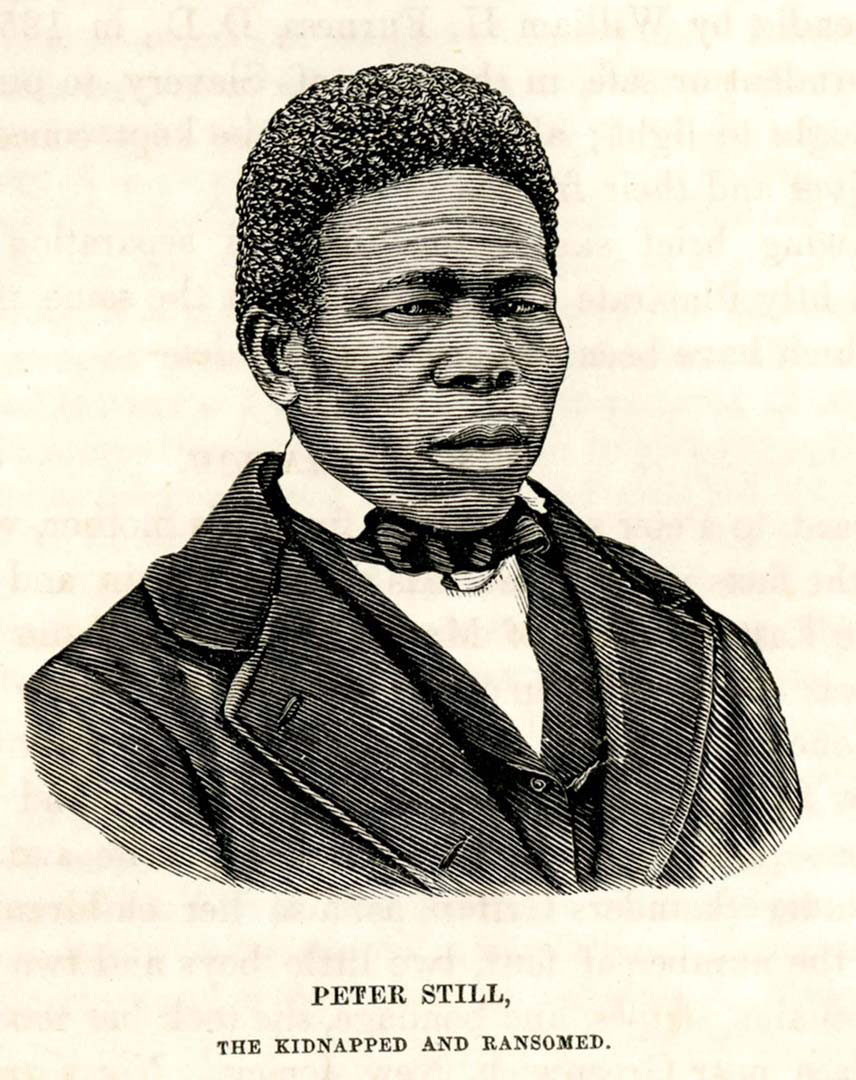
This unit explores the era leading up to the Civil War, focusing on the resilience and agency of African Americans who resisted slavery and fought for freedom during the antebellum period. Students investigate the lives of key figures like Josiah Henson, whose story inspired the character of Uncle Tom, and William and Peter Still, whose efforts were instrumental in the Underground Railroad. Through these narratives, learners uncover the courage and determination of African Americans who risked everything to claim their liberty and support others in doing the same. The unit examines the systemic mechanisms of slavery and the ways enslaved people resisted through rebellion, escape, and acts of cultural preservation. Activities include analyzing primary documents, mapping Underground Railroad routes, and exploring community-based strategies for resistance. Students critically engage with the role of abolitionist networks and African American leadership in challenging the institution of slavery. By examining these stories, learners understand how African Americans asserted their agency and humanity in the face of systemic oppression. Discussions also focus on the broader social and political tensions leading to the Civil War, emphasizing the role of African American resistance in shaping national debates on freedom and equality. This unit provides a foundation for understanding the complexities of the antebellum period and the critical role African Americans played in shaping the fight for justice and liberty.
New Jersey Student Learning Standards:
- 6.1.8.D.4.c Explain the growing resistance to slavery and New Jersey’s role in the Underground Railroad.
Curriculum
- 2 Sections
- 2 Lessons
- Lifetime
- Stage 11
- Stage 21