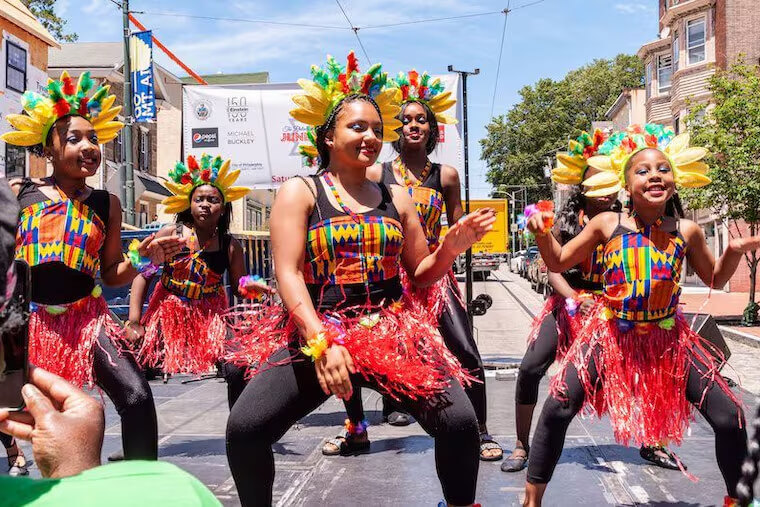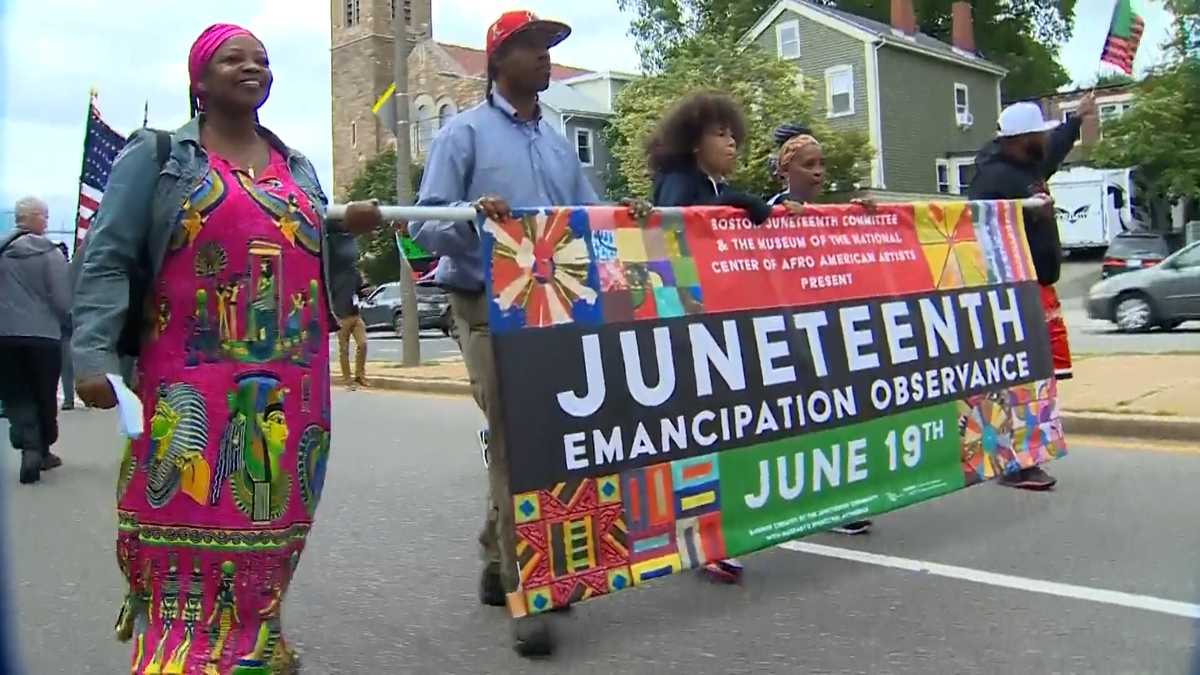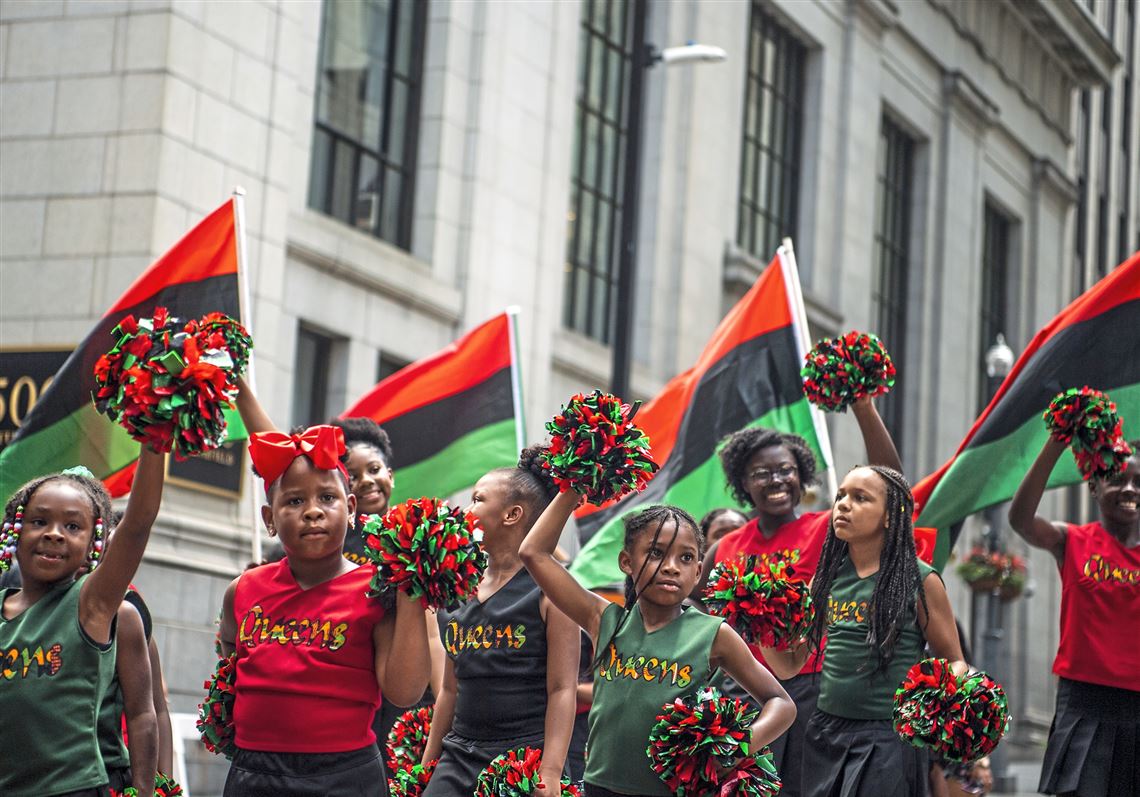
 Juneteenth, observed on June 19, commemorates the day when Union troops arrived in Galveston, Texas, to enforce the Emancipation Proclamation in 1865, freeing the last remaining enslaved African Americans in the Confederacy. The holiday has long been celebrated in African American communities through gatherings, food, music, and storytelling. In 2021, Juneteenth was officially recognized as a federal holiday. The traditions surrounding Juneteenth—such as red foods, spirituals, flags, and quilts—reflect both remembrance and joy. Teaching about Juneteenth in the early grades allows students to understand history through celebration, art, and community experiences.
New Jersey Student Learning Standards:
- 6.1.2.CivicsCM.3: Explain how diversity, tolerance, fairness, and respect for others can contribute to individuals feeling accepted in schools and communities.
- 6.1.2.HistoryCC.3: Make inferences about how past events, individuals, and innovations affect our current lives.
- 6.1.2.HistorySE.1: Use examples of regional folk heroes, stories, and celebrations to describe the cultural heritage of the United States
Curriculum
- 3 Sections
- 4 Lessons
- 10 Weeks
Expand all sectionsCollapse all sections